Mortlake removals Barnes Bridge to High Street route tips
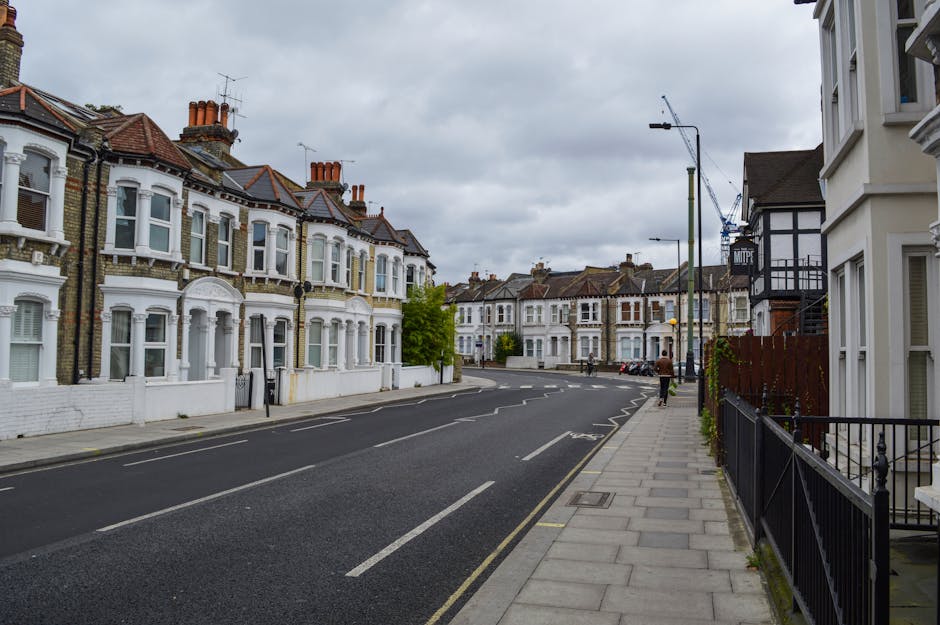
If you are planning a move in Mortlake, the route between Barnes Bridge and High Street can make a bigger difference than people expect. A short journey on paper can still turn into a fiddly one in real life: parked cars, narrow side streets, school traffic, awkward loading spots, and the usual London timing surprises. These Mortlake removals Barnes Bridge to High Street route tips are here to help you move with less stress, fewer delays, and a lot more confidence.
In this guide, we will walk through why the route matters, how a local removal plan should be built, and what practical steps make the day run smoothly. You will also find a checklist, a comparison table, and a realistic example based on the kind of moving day that happens all the time around Mortlake. Nothing flashy. Just the sort of advice that actually helps when boxes are stacked in the hall and you are checking the clock every five minutes.
Why Mortlake removals Barnes Bridge to High Street route tips Matters
The Barnes Bridge to High Street stretch is not just a pin on a map. It is a sequence of real moving-day decisions. Where will the van stop? Can a larger vehicle turn safely? Will you need to carry items further than planned? Is there a better time of day to avoid the worst of the local traffic? Those details can add 20 minutes or two hours, depending on how well they are handled. That is the honest truth.
For Mortlake removals, route planning matters because the final leg often determines whether the day feels calm or chaotic. In London, a move rarely fails because of one big issue. It is usually a pile-up of smaller ones: bad parking, a missed loading bay, a boxy sofa that needs a second lift, or a road you assumed would be easy but turns out to be awkward at the exact time you arrive.
There is also the human side. Moving day can already feel noisy and slightly unreal. The kettle has been packed away, someone has misplaced the charger, and one room is suddenly just echoey walls. A sensible route plan gives you one less thing to think about. And frankly, that is a gift.
Expert summary: the best route tip is not "take the quickest road." It is "take the route that keeps loading simple, keeps the van legal to stop, and keeps the move predictable."
How Mortlake removals Barnes Bridge to High Street route tips Works
A good removal route is built around access, timing, vehicle size, and the items being moved. That sounds obvious, but in practice people often start with the shortest distance rather than the smartest flow. For a local Mortlake move, the Barnes Bridge to High Street route is usually about balancing convenience with access conditions.
Start by thinking about where the van will approach from, where it can stop without blocking traffic, and how far your team will need to carry furniture or boxes. The route may be short, but a poor stopping point can make every item slower to load and unload. A well-planned stop near the property entrance usually saves more time than any shortcut through the side streets.
If you are comparing removal options, it can help to look at the wider service structure too. Local homeowners often combine route planning with home moves, while smaller one-off jobs may suit man and van support or a more flexible removals arrangement. The route itself does not change the job type, but it does influence what kind of vehicle and crew will be practical.
In our experience, the best route planning starts the day before, not the morning of the move. You want to know where the van will pause, what might block it, and whether any items need to be taken out first because they are awkward or fragile. That tiny bit of prep saves a surprising amount of faffing about later.
Key Benefits and Practical Advantages
Done properly, route planning gives you more than speed. It improves the quality of the whole move.
- Less carrying distance: the van can stop closer to the door, which reduces the risk of knocks and drops.
- Better timing: you avoid the worst local bottlenecks and reduce waiting time.
- Safer handling: fewer awkward lifts and fewer rushed turns around tight corners.
- Cleaner scheduling: if you are using packing and unpacking services, route planning helps the team work in a neat sequence.
- More predictable cost: less wasted time usually means less disruption, and sometimes fewer labour hours.
- Reduced stress: the move feels organised rather than improvised.
There is another benefit that often gets overlooked: better communication. When everyone knows where the van is stopping and which items are coming out first, the move runs more like a plan and less like a scramble. That sounds simple because it is simple. The tricky bit is remembering to do it before moving day.
If you are moving a larger household, route planning also supports a fuller service package such as house removals or support from house movers. If the job is commercial rather than domestic, then access and timing become even more important, so a local approach through commercial moves can make life much easier.
Who This Is For and When It Makes Sense
These route tips are useful for anyone moving within Mortlake, but they are especially helpful for:
- families moving between nearby streets
- flat moves where access is limited
- small business relocations
- single-item or partial moves
- people using a moving van for a tight schedule
- anyone trying to avoid unnecessary carrying distance on a narrow road
It also makes sense if your move includes a few awkward items. Sofas, wardrobes, large mirrors, and white goods all benefit from sensible parking and a clear unloading point. You do not want to be making judgement calls with a fridge halfway out of the van, do you? Best to decide that in advance.
This is particularly relevant if you are arranging a smaller, flexible job with a man with van removal setup, where time efficiency is often part of the value. The same applies to those looking for removals near me and wanting a local team that understands the streets rather than just the postcode.
Step-by-Step Guidance
Here is a simple way to plan the Barnes Bridge to High Street route without overcomplicating it.
- Map the property access first. Look at where the van can safely stop, where doors open, and whether the pavement or frontage gives enough room for loading.
- Check the likely traffic pattern. Think about school run times, commuter flow, and any local congestion that might affect the last mile.
- Measure the awkward items. Large furniture needs more than a route; it needs a turning plan. If a wardrobe will not easily clear a corner, you need to know that before load-out.
- Decide the loading order. Put heavier, less fragile items in first and keep essentials accessible if you need them quickly at the other end.
- Assign roles clearly. One person should manage direction, one should handle inventory, and one should check the property is empty. Sounds a bit formal for a home move, but it works.
- Confirm the vehicle choice. A smaller van can be easier around local streets, while a larger vehicle may be better for volume if access allows it. If you need flexibility, compare removal van options with larger vehicle support such as removal truck hire.
- Build in a buffer. Even a short move benefits from a little time cushion. One awkward lift or one blocked kerb can shift the whole day.
A practical tip: walk the route on foot if you can. You will spot things a map will not show, like a tight gate, a low branch, or that one corner where cars always end up parked a bit too close. Little details matter more than people expect.
If you want the move handled more end-to-end, a full removal services approach can reduce the number of decisions you need to make on the day. And if you are moving office stock, desks, or filing units, then office removals planning should be even more route-conscious because time lost during business hours is costly in a very ordinary, unglamorous way.
Expert Tips for Better Results
These are the little things that tend to separate a smooth local move from one that feels oddly exhausting.
- Use the nearest practical stop, not the nearest possible stop. Sometimes a slightly longer walk with a better loading position is far better than squeezing into a risky space.
- Protect corners and doorways. The route from the van to the front door is part of the move. If that path is tight, cover the vulnerable points before you begin.
- Keep a clean first-load zone. Do not mix "must go now" boxes with "not needed until later" clutter.
- Tell neighbours early if access may be temporary. A quick word can prevent unnecessary friction. Simple, really.
- Plan for rain, even if the day looks fine at 8am. London weather enjoys a bit of mischief.
- Choose crew size realistically. Two strong people with a well-parked van can be better than a bigger team working around a poor setup.
One useful habit is to imagine the route in reverse. If the van can unload easily at the destination, have you thought about how it will leave afterwards? A move can be half-finished if the exit route gets blocked by parked cars or a badly placed skip. Not dramatic. Just annoying enough to matter.
If you are comparing providers, it can also help to look at their wider service detail. Pages such as removal company and movers signal a more general operational capability, while man with a van is often suited to smaller, faster local work. Different jobs, different rhythms.
Common Mistakes to Avoid
Most moving-day problems around short routes are preventable. Here are the usual slip-ups.
- Assuming short distance means easy move. A half-mile route can still be difficult if access is poor.
- Ignoring parking reality. If the van has nowhere sensible to stop, every item takes longer.
- Not checking item size against access. The sofa may fit in the van, but can it turn into the hallway?
- Leaving fragile items until last minute. That is how things get rushed.
- Forgetting building rules or shared access arrangements. Flats and managed properties often have their own expectations.
- Underestimating loading time. The lifting and carrying is often the real work, not the driving.
Another common one: people focus so much on getting out of the old property that they forget the new one needs a landing plan too. Where does the van stop? Which room gets which boxes? Who is opening doors? Without that, the final 20 minutes become strangely chaotic, even if the rest of the day has been fine.
Tools, Resources and Recommendations
You do not need fancy kit to manage a local move well, but a few simple tools make a proper difference.
- Basic floor plan or room list: helpful for deciding what goes where.
- Measuring tape: useful for furniture dimensions, doorways, and stair turns.
- Labels and markers: keep boxes organised by room and priority.
- Blankets, wraps, and straps: good for protecting furniture during short journeys too.
- Phone photos: take pictures of how items are packed or disconnected before the move.
- Local moving support: if you need hands-on help, explore man and van removals or a more comprehensive removals van setup.
For people who like to keep paperwork tidy, it is sensible to review business terms, payment expectations, and safety details before the move. On the same website, pages such as pricing and quotes, payment and security, and insurance and safety can help you understand how a professional service is presented. That sort of clarity matters more than people realise.
If sustainability is part of your decision, it may also be worth reading the company's approach to recycling and sustainability. Moves often uncover items that are no longer needed, and responsible disposal is part of a tidy exit.
Law, Compliance, Standards, or Best Practice
For a local removal, compliance is mostly about safe, considerate, lawful behaviour rather than paperwork for its own sake. You do not need to become a transport specialist to move house, but it helps to follow accepted UK best practice.
That means parking legally, avoiding obstruction, handling goods safely, and making sure the move does not create avoidable risks for pedestrians, neighbours, or the crew. If a van is stopping on a narrow road near Mortlake High Street, the team should think about visibility, pedestrian access, and how long the vehicle will remain in place. A short stop is one thing; a clumsy obstruction is another.
Good practice also means using equipment properly, securing items so they do not shift in transit, and making sensible decisions about lifting. If something is too heavy or awkward to move safely, it should be handled differently. That is basic professionalism, not overcautiousness.
It is also worth checking the provider's public-facing policies. Pages like health and safety policy, terms and conditions, and about us can offer useful reassurance about how a company works. No, it is not the most exciting reading in the world. But on moving day, boring clarity is very welcome indeed.
Options, Methods, or Comparison Table
Different move types suit different route strategies. The best choice depends on how much you are moving, how tight the access is, and how much help you want.
| Option | Best for | Route considerations | Typical advantage |
|---|---|---|---|
| Man and van | Smaller local moves, single-room contents, flexible jobs | Works well where stopping space is limited and the load is manageable | Quick, practical, often easier to position nearby |
| Removal van | Standard home moves with moderate volume | Good balance between capacity and street access | Efficient for most Mortlake residential moves |
| Removal truck hire | Larger moves or heavier loads | Needs more careful planning for turning, parking, and loading distance | Higher capacity, fewer trips |
| Full removals service | Busy households, complex furniture, time-sensitive moves | Route, loading, and handling can be coordinated together | Less stress and more control over the day |
There is no single winner for every move. A compact flat move near the Barnes Bridge area might be perfectly suited to man with van support, while a fuller household move may work better with house removalists. The route tips are the same, but the execution changes with volume and access.
Case Study or Real-World Example
Here is a realistic local scenario. A couple moving from a first-floor flat near Barnes Bridge to a house closer to Mortlake High Street had a fairly simple journey on paper. Less than you would call a big haul. But the first property had tight stair access, and the destination had a narrow front space that could have been blocked by passing traffic.
Instead of choosing the closest-looking stop, the team identified a safer loading point a little further along the road where the van could pull in cleanly. That meant one extra short carry, but it also meant the movers could work without shuffling around parked cars. The sofa went out without a scratch, boxes were labelled by room, and the whole transfer stayed calm even though, around midday, the street was busier than expected.
Nothing magical happened. No secret shortcut. Just a sensible decision made before the lifting started.
That is really the point of route planning in Mortlake. The smoothest move is usually the one where someone has already thought about the awkward part before the awkward part arrives.
Practical Checklist
Use this checklist before moving day. It is short on purpose.
- Confirm both addresses and access details.
- Check whether the van can stop close enough to the entrance.
- Measure large furniture and note any tight turns or stair issues.
- Decide which items should be loaded first.
- Label boxes by room and priority.
- Prepare protection for floors, corners, and fragile items.
- Review timing for local traffic and likely busy periods.
- Make sure keys, parking plans, and property contacts are ready.
- Keep water, phone chargers, and essentials separate.
- Have a clear unloading plan at the destination.
And one small personal note: put the kettle item somewhere you can find it quickly. That first cup after the move tastes suspiciously like victory.
Conclusion
Mortlake removals Barnes Bridge to High Street route tips are really about one thing: making a short local move feel manageable. The route may only be a small part of the day, but it affects access, safety, timing, and how tired you feel when the last box comes in. A little planning here goes a long way.
Whether you are moving a single flat, a family home, or a small business setup, the smartest approach is usually the same: keep the route practical, keep the van positioned well, and keep the loading process simple. Do that, and the move becomes much more than a drive from A to B. It becomes a controlled, calmer job with far fewer surprises.
Get a free quote today and see how much you can save.
And if the day still feels a bit too full on, that is normal. Most moves do. The good news is, with the right route and a steady plan, it never has to stay that way for long.
Frequently Asked Questions
What is the main benefit of planning the Barnes Bridge to High Street route in advance?
The main benefit is that you reduce last-minute delays. When you know where the van will stop and how the property access works, loading and unloading become much smoother.
Is a short route always easier for removals in Mortlake?
Not necessarily. A short route can still be difficult if parking is awkward, roads are busy, or the loading point is far from the door. Access usually matters more than distance.
Should I choose a smaller van for local Mortlake removals?
Sometimes, yes. A smaller vehicle can be easier to position on tight streets. But if you have a lot to move, a larger van or truck may save time overall. It depends on volume and access.
How do I know if my furniture will fit through the access route?
Measure the furniture, the doorway, stairwell turns, and any narrow points in advance. If something is bulky, do not leave it to chance on the day. That is how people end up removing a lamp shade at the top of the stairs.
Do I need professional help for a move between Barnes Bridge and High Street?
If you have several bulky items, limited parking, or a time constraint, professional help is usually worth it. For lighter jobs, a flexible local service may be enough. It depends on your load and your energy levels, honestly.
What should I do if parking near the property is limited?
Plan the nearest safe stopping point and reduce the carry distance as much as you reasonably can. Sometimes a slightly longer walk with a legally parked van is the better option.
How early should I plan the route before moving day?
The day before is ideal, with a final check on the morning if needed. That gives you time to spot access issues rather than discovering them beside a van full of furniture.
Are route tips different for house removals and office removals?
Yes, a little. House removals focus more on furniture, fragile items, and family logistics, while office removals often need tighter timing and clearer access planning for equipment and desks. The same principles apply, but the pressure points differ.
What if I am only moving a few items?
Even small moves benefit from route planning. If the items are awkward, fragile, or heavy, a good stop and a short carry can still save a lot of hassle.
How do I keep the move safe for neighbours and pedestrians?
Use legal parking, avoid blocking entrances, keep walkways clear, and move items carefully. A tidy, respectful setup is safer for everyone and usually faster too.
Where can I read more about safety and service expectations?
It is sensible to review pages such as insurance and safety, health and safety policy, and complaints procedure if you want to understand how a provider sets expectations and handles issues.
What is the most common mistake people make on this route?
Assuming the move will be easy because it is local. That assumption is usually the source of most stress. The move is local, yes. Easy is a different matter.