Moving antique furniture in Mortlake: specialist handling tips
Posted on 11/06/2026
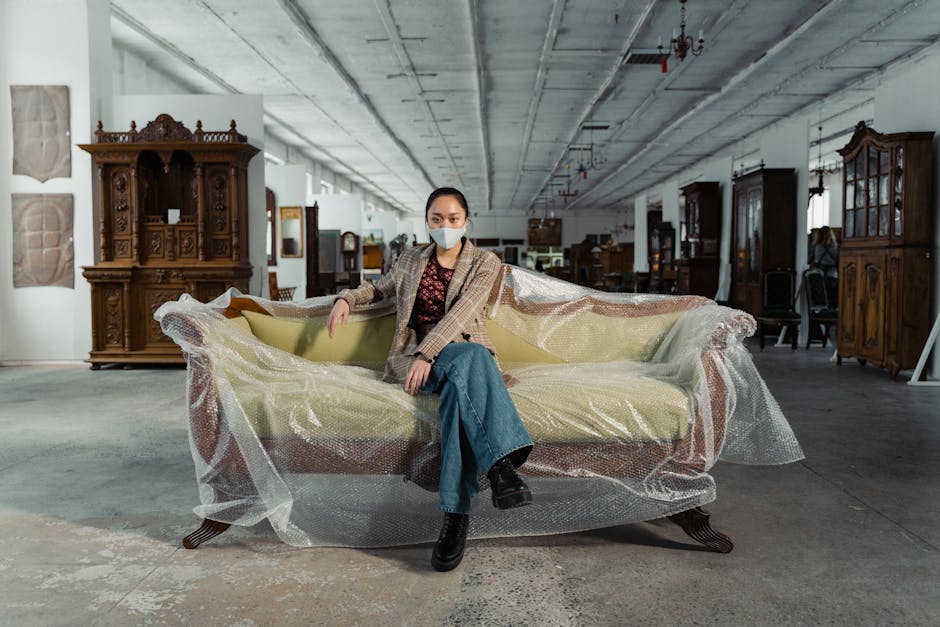
If you are planning Moving antique furniture in Mortlake: specialist handling tips matter far more than a standard house move. Antique pieces are often beautiful, valuable, awkwardly shaped, and a bit unforgiving if rushed. One loose veneer, one badly timed lift, and suddenly a family heirloom looks a lot less elegant. In Mortlake, where access can be tight around flats, terraced roads, and loading bays, getting the handling right is not just sensible, it is the difference between a smooth move and an expensive headache.
This guide walks through the practical side of specialist antique furniture moving: how to prepare, what equipment helps, when to use professional support, and the mistakes that catch people out. You will also find a clear checklist, a comparison table, and local planning tips that make the job easier from start to finish.
Why Moving antique furniture in Mortlake: specialist handling tips Matters
Antique furniture is not just old furniture. It is usually a mix of fragile joints, delicate finishes, hand-cut details, and materials that react badly to strain. A Victorian sideboard, Georgian chest, or marble-top table may look solid enough, but the structure underneath can be surprisingly sensitive. That is why specialist handling matters so much.
In Mortlake, the local moving environment adds another layer. Narrow hallways, stairwells in flats, awkward parking near busy roads, and unpredictable loading access can all increase the risk of knocks and twists. A piece that would survive a simple lift in a spacious country house can suffer when it has to be angled through a tight doorway on a damp morning with everyone trying not to block the pavement. Truth be told, that is where the stress starts.
Specialist handling is really about control. Control of movement, control of pressure points, control of temperature and moisture where needed, and control of how the item is loaded in the van. It is also about knowing when not to force anything. If an item resists a turn, there is usually a reason. Forcing it is rarely the clever move.
How Moving antique furniture in Mortlake: specialist handling tips Works
The process starts well before lifting. A careful antique move usually follows a simple pattern: inspect, prepare, protect, move, and reassemble. Each stage matters. Skip one, and the rest become harder.
First comes the inspection. This means checking the item from top to bottom for loose joints, existing chips, missing handles, brittle glue lines, or old repairs. If you are not sure whether a leg is solid or just appears solid, treat it as fragile. Better to assume caution than be too confident.
Next comes preparation. Drawers may need to be removed. Glass panels, mirrors, and shelves should come out and be wrapped separately. Keys, screws, and fittings should be put in labelled bags. A tiny brass screw has a talent for disappearing at the worst possible time.
Then comes protection. Soft moving blankets, corner guards, packing paper, breathable wraps for sensitive finishes, and padded straps all help reduce damage. If the furniture has a polished surface, avoid anything that traps grit against the wood. Fine dust is not dramatic, but it can still leave marks.
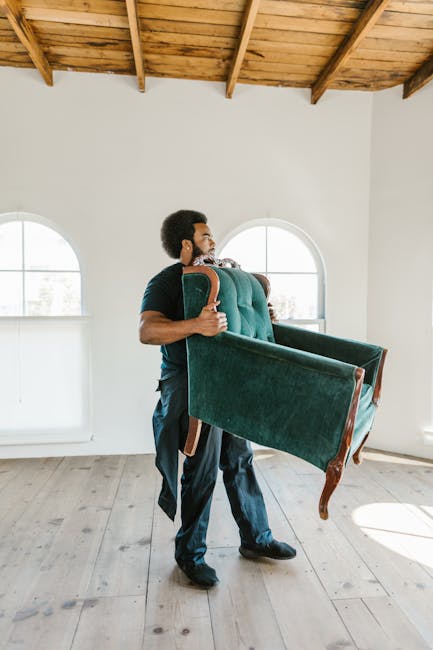
After that comes the actual movement. The lifting should be slow, balanced, and team-led where needed. Antique items are best carried with clear communication and no sudden pivots. In our experience, most accidental damage happens at the transition points: through the door, around the landing turn, or into the van.
Finally, there is loading and transport. Pieces should be secured so they cannot slide, rub, or tip. Heavy items should be placed low and stable. Lighter, more fragile items should not be crushed under larger furniture. It sounds obvious, but the van can become a domino puzzle very quickly if no one is paying attention.
Key Benefits and Practical Advantages
Using specialist handling methods for antique furniture is not only about preventing damage. It also saves time, reduces stress, and often avoids costly second attempts.
- Lower risk of damage: Delicate veneers, marquetry, carved details, and period fittings are protected more effectively.
- Better handling of awkward shapes: Tall cabinets, long sideboards, upholstered antiques, and marble-topped pieces need thoughtful movement.
- Less strain on the home: Door frames, bannisters, and floors are less likely to be marked or scratched.
- More efficient loading: A planned sequence means less time spent standing around wondering which piece goes first.
- Peace of mind: It is easier to relax when you know the item has been wrapped, lifted, and secured properly.
There is also a quieter benefit that people sometimes miss: emotional safety. Antique furniture often carries memory as much as value. A great-grandparent's cabinet or a market-find chest with character deserves more than a rushed grab-and-go move. Taking the careful route respects both the object and the story behind it.
Expert summary: With antique furniture, the goal is not just to move it from A to B. It is to preserve the item's structure, finish, and value while keeping the move calm, controlled, and properly planned.
Who This Is For and When It Makes Sense
This approach suits anyone moving one or more pieces that would be difficult to replace, repair, or even explain to a restorer. That includes private homeowners, landlords clearing properties, collectors, families, and anyone receiving inherited furniture.
It also makes sense if the item is physically awkward rather than strictly valuable. A large antique wardrobe may not be priceless, but if it has a weak back panel, deep carved sections, and a stair turn to navigate, the handling challenge is still real.
Specialist support is especially worth considering if you are dealing with:
- solid wood furniture with ageing joints
- items with glass, mirrors, marble, or cane
- pieces that need partial dismantling before movement
- upper-floor moves in Mortlake flats or maisonettes
- tight access, long carries, or awkward parking
- urgent moves where time pressure might tempt shortcuts
If you are already coordinating a broader move, related planning can help too. For example, decluttering before moving makes it easier to separate what truly needs specialist handling. A useful starting point is before-the-move decluttering advice, especially if the room is crowded and you need more space to work safely.
Likewise, if the antique piece is part of a larger household move, it helps to think about the whole route. General moving stress can quietly amplify small risks, so keeping the process organised matters more than people expect. A practical read is this guide to a more stress-free house move.
Step-by-Step Guidance
1. Identify what the furniture is made of
Start with the basics. Is it oak, mahogany, pine, veneer over hardwood, painted wood, or upholstered? Different materials need different care. Veneer is especially vulnerable to impact and moisture. Upholstery can hide weak frames. Painted surfaces can chip if they rub against rough fabric or tape.
2. Check for weak points before touching anything
Look at joints, handles, legs, drawer runners, and decorative trim. Wiggle the piece gently. If something already feels loose, do not assume it will survive a stair manoeuvre without help. Mark weak areas so everyone handling the item knows where to be extra cautious.
3. Empty the furniture completely
Remove books, linen, china, glass, and anything else stored inside. Even a light drawer can shift during lifting and throw off the balance. Store contents in boxes separately. If the item has drawers that must remain in place, secure them properly so they cannot open mid-carry.
4. Dismantle what can be safely removed
Detach legs, shelves, mirrors, handles, or detachable tops only if that can be done safely and logically. Keep all fittings in labelled bags and photograph the item first if the setup is complicated. That little bit of documentation can save you a lot of head-scratching later.
5. Wrap using protective, non-abrasive materials
Use soft blankets or quilted pads for outer protection. For fine finishes, add an inner layer that will not scratch. Avoid over-tight wrapping with plastic on sensitive antiques, as trapped moisture can be a problem for certain woods and finishes. Breathable protection is often the wiser choice.
6. Plan the route before the lift
Open doors, remove obstacles, protect floor edges, and measure the tightest points. Check stair turns, banisters, and overhead fittings. If you live in a Mortlake flat with a narrow landing, it may help to rehearse the turning angle before the item is fully committed to the move. Sounds fussy, but it works.
7. Lift with balance, not force
Communicate clearly. One person leads, one steadies, and both move slowly. Keep the load close to the body and avoid twisting under weight. If the piece feels too heavy or awkward, stop and reset. There is no prize for pretending to be a hero.
8. Load the van in a stable order
Place the heaviest and most stable items first, then use soft padding to create separation. Secure antique pieces upright where possible and keep them away from shifting boxes. If possible, place fragile items where they will not be squeezed by sofas, beds, or loose cartons.
9. Unload and place carefully
Do not rush at the delivery end. Many accidents happen when people think the hard part is done. Check the destination path, place protectors on the floor, and put the item down slowly. Reassembly should happen only once the piece is safely in position.
Expert Tips for Better Results
These are the little details that often separate a decent move from a genuinely good one.
- Photograph everything before dismantling. It helps with reassembly and creates a visual record of condition.
- Use labels on every bag and bundle. "Left door hinge" is much better than "small bag with bits".
- Protect corners twice. Corners take the brunt of impact when a piece is angled through a doorway.
- Keep antique finishes away from rough straps. Webbing can rub if it is not padded correctly.
- Move during calmer times of day if possible. Less foot traffic and less street congestion can make a real difference around Mortlake.
- Mind the weather. Damp conditions, drizzle, or muddy pavements can affect grip and cleanliness. A bit of rain changes the mood quickly.
If the item is especially sentimental or upholstered, care for it as if someone is watching you. That mental shift helps. You slow down, check the path again, and stop treating the job like a race.
For larger or mixed loads, you may also find it useful to read about packing methods that keep items more secure during relocation, especially when you have several fragile pieces to organise. See creative packing techniques for relocating for ideas that translate well to furniture protection.
Common Mistakes to Avoid
Some mistakes are easy to avoid once you know what they look like. Others are sneaky. Very sneaky.
- Dragging instead of lifting. Even a short drag can damage feet, legs, and floor coverings.
- Using too much tape directly on wood. Tape can lift finish or leave stubborn residue.
- Leaving drawers full. It seems harmless until the piece shifts and becomes unstable.
- Forcing a tight turn. If it does not fit naturally, reassess the angle.
- Assuming the van load is "fine". If the item can move, it eventually will move.
- Ignoring old repairs. Antique repairs can be weaker than the surrounding structure.
The biggest mistake is probably this: underestimating the item because it has always looked sturdy in the same room for years. Furniture at rest can be a deceiver. Movement tells the truth.
Tools, Resources and Recommendations
You do not need a warehouse full of specialist kit, but the right tools make antique handling much safer. A sensible setup usually includes:
- quilted moving blankets
- corner protectors
- packing paper and soft wrap
- strap padding
- trolley or dolly for suitable items
- gloves with good grip
- labelled bags for fittings
- furniture sliders for final positioning, used carefully
For broader move planning, this can sit nicely alongside packing support and removal planning. If you are sorting boxes, fragile wraps, and room-by-room staging, take a look at packing and boxes in Mortlake as part of the preparation process.
If the antique piece needs temporary storage because access is not ready, or because you are staggering the move, storage can be a very sensible middle step. It gives you breathing room, and sometimes that is exactly what a careful move needs. A related option is storage in Mortlake.
For particularly large or complex furniture moves, it can also help to review broader service options before deciding how hands-on you want to be. The services overview gives a clearer picture of the available support.
Law, Compliance, Standards, and Best Practice
For most household antique moves, there is no special antique-moving law as such, but there are still important duties and expectations to keep in mind. Safe lifting, careful manual handling, and sensible risk awareness are all part of accepted good practice in the UK moving industry.
That means movers should avoid unsafe lifting methods, use the right equipment where appropriate, and plan loads so they do not create hazards for themselves or others. If a move involves stairs, tight corners, or heavy components, a proper risk assessment mindset is just common sense. Not glamorous, but necessary.
Insurance is another practical consideration. Before any move, confirm what cover is in place and what it does or does not include. Antique furniture can be hard to value after damage, especially when something is one-of-a-kind or has sentimental significance. It is much better to ask careful questions early than to make assumptions later.
If you are comparing providers, look for clear terms, transparent handling procedures, and a willingness to explain how delicate items are protected. You can also review insurance and safety information and the company's health and safety policy if you want a better sense of how risk is managed.
Where relevant, terms and conditions matter too. They show how bookings, liabilities, and responsibilities are handled. It is the boring bit, yes, but boring details are often the ones that protect you.
Options, Methods, or Comparison Table
Not every antique move needs the same level of support. The right choice depends on the item, the access, and your confidence with handling. Here is a practical comparison.
| Method | Best for | Pros | Watch-outs |
|---|---|---|---|
| Careful DIY move | Small, lighter antiques with easy access | Lower upfront cost, flexible timing | Higher risk if the item is fragile or the route is awkward |
| Man and van support | Single pieces, short local moves, moderate access challenges | Useful balance of cost and assistance | Check whether handling help is included, not just transport |
| Specialist removal service | High-value, heavy, or delicate antiques | Best protection, planning, and lifting control | Usually costs more, but the risk reduction is often worth it |
| Temporary storage first | Moves with delayed access or renovation work | Creates space and reduces pressure on the moving day | Needs proper wrapping and humidity awareness |
In real life, the best choice is often a mix. You might use professional support for the antique wardrobe, but handle the smaller side tables yourself. That kind of blended approach can be sensible if you plan it properly.
Case Study or Real-World Example
A common Mortlake scenario goes like this: a family is moving from a first-floor flat near busy local roads, and they have inherited a heavy oak dresser plus a mirror-fronted cabinet. The hallway is narrow. The stairs turn awkwardly halfway up. Nothing dramatic, just annoyingly tight.
Instead of trying to power through on the day, they measured the route in advance, removed the dresser drawers, wrapped the mirror separately, and cleared the landing before anyone lifted. They also checked parking and loading options early so the van was not left circling while everyone waited. That bit matters more than people think.
Because the move was planned, the dresser came down slowly with two people guiding and one person watching the corners. The cabinet was secured upright in the van, with blankets between it and a sofa. Nothing heroic. Just calm, deliberate handling.
The difference was visible. No chipped edges, no bent trim, no frantic mid-move repairs with a screwdriver and a worried face. Frankly, that is the kind of move everyone wants but few talk about because it sounds too ordinary. Ordinary is good.
For local access planning, it can also be useful to think about loading conditions around the area. If you are dealing with parking restrictions or tighter approach routes, articles like parking and loading near Mortlake Station and Mortlake Riverside flats van access on Lower Richmond Road can help you anticipate the practical side of the move.
Practical Checklist
Use this before moving day. Print it, screenshot it, scribble on it - whatever works.
- Identify each antique piece and note its condition.
- Photograph all sides, joints, and existing marks.
- Empty drawers, cabinets, and shelves.
- Remove any detachable parts that can safely come off.
- Bag and label all screws, keys, and fittings.
- Wrap surfaces in soft, non-abrasive protection.
- Protect corners and vulnerable edges.
- Measure doorways, stair turns, and access points.
- Check parking and loading arrangements in Mortlake.
- Plan the van load so fragile pieces are not crushed.
- Keep the route clear of clutter, pets, and loose rugs.
- Confirm insurance and handling expectations in advance.
- Allow extra time. Always. Antique moves do not like to be rushed.
If you are moving as part of a bigger household transition, it can also help to plan around the rest of the home. Some people pair antique handling with sofa protection or bedroom furniture planning, which reduces decision fatigue on the day. Related guides like long-term sofa care and bed and mattress moving tips can be useful when the whole property is being packed down together.
Conclusion
Moving antique furniture in Mortlake is absolutely manageable, but it rewards patience, planning, and the right handling habits. The main idea is simple: protect the structure, protect the finish, and protect the route. Once you do that, the whole process becomes calmer and far more predictable.
Whether you are moving a single heirloom chair or several heavier period pieces, the safest approach is the one that respects the item's age and fragility. Measure first, wrap properly, lift slowly, and do not be afraid to get help where the access or weight calls for it. That is not overcautious. It is just good sense.
Get a free quote today and see how much you can save.
And if all else feels a bit much, remember this: careful moving is not about being perfect. It is about being thoughtful enough to keep the history intact.