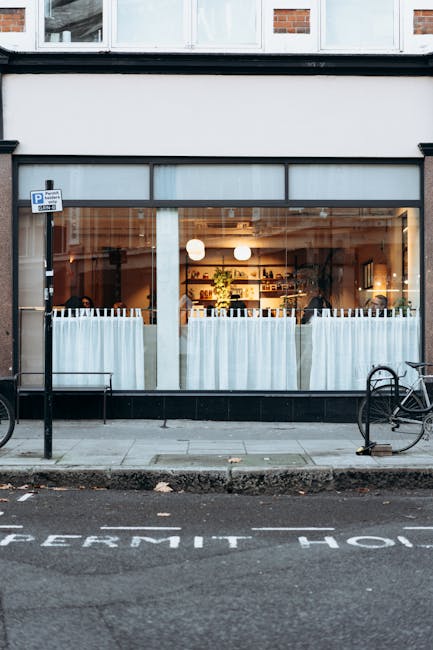
Permit zones SW14: booking resident loading bays for moves
Posted on 06/07/2026
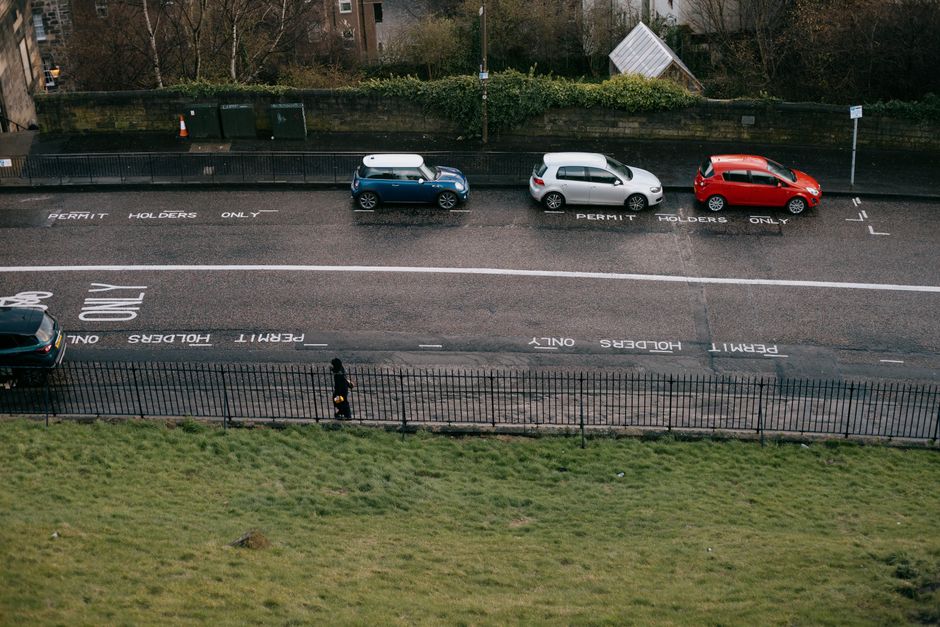
Moving in SW14 can feel straightforward on paper and then suddenly become a parking puzzle at street level. One minute you are focused on boxes, furniture and timing; the next, you are wondering whether the van can stop legally outside the building, whether the loading bay is usable, and who actually needs to make the booking. That is where Permit zones SW14: booking resident loading bays for moves becomes a practical part of the move, not just an admin chore.
If you are moving house, flat, or office in Mortlake or the surrounding SW14 streets, the right parking arrangement can save time, stress and a lot of awkward lifting. In this guide, we will break down how resident loading bays usually work, why they matter, what to check before move day, and how to avoid the classic mistakes that turn a simple job into a slow one. Truth be told, a smooth move often starts with a parking space, not a packing label.
Why Permit zones SW14: booking resident loading bays for moves Matters
In a permit-controlled part of SW14, the biggest moving-day mistake is often assuming you can simply turn up, park by the kerb and get on with it. Some streets have tight restrictions, resident bays, shared-use bays, time-limited loading areas, or priority parking arrangements that can change the whole flow of the day. If the van cannot stop close to the entrance, every box becomes heavier, every trip takes longer, and the risk of damage goes up.
This is especially important in streets with narrow lanes, terraced housing, mansion blocks, riverside developments, and station-adjacent roads where bays are busy from early morning. A booked loading bay can mean the difference between a tidy 45-minute unload and a stressful two-hour shuffle with everyone sweating a little and pretending not to mind.
Parking control also matters because moving vans are visible. If the vehicle is in the wrong place, a warden may issue a penalty or ask it to move, which interrupts the job and creates avoidable friction with neighbours. For a calm move, you want the parking plan sorted before the first kettle is unplugged.
For readers planning a broader Mortlake move, it can help to look at how Richmond Council permits for moving vans are usually handled alongside your bay booking plan. And if you are still early in the planning stage, parking and loading near Mortlake Station is a useful local companion piece.
How Permit zones SW14: booking resident loading bays for moves Works
At a basic level, the process is about securing a legal place for the removal van to stop, load or unload for a specific period. In some streets, that may mean a resident bay suspension, a loading bay booking, a temporary permit, or a council-approved arrangement for a moving vehicle. The exact route depends on the street, the signage, and the type of bay outside the property.
Here is the simple version: you check the restrictions, confirm whether a booking is needed, decide which vehicle needs the space, and then make the reservation with enough lead time. That booking should match the move window as closely as possible, because the useful part of a loading bay is not just having it, but having it when the crew actually arrives. Sounds obvious, yet it is one of those details people leave too late. We see it all the time.
In a practical sense, a resident loading bay booking helps you:
- keep the van close to the property entrance
- reduce carrying distance for bulky items
- limit delays caused by circling for parking
- lower the chance of parking enforcement issues
- make timing easier for neighbours, porters, or building managers
It is also worth noting that the permit or booking process can differ between streets even within the same postcode. That is why local checking matters. If your move includes stairs, awkward corners, or larger furniture, good parking access becomes even more valuable. For example, a sofa, mattress, or wardrobe moved over a short distance is simply easier on everyone involved.
If you are moving a flat rather than a house, it may also be worth reading about flat removals in Mortlake, because access planning for upper-floor properties and managed buildings often changes the loading strategy quite a bit.
Key Benefits and Practical Advantages
The most obvious benefit of a reserved loading bay is convenience, but the real value goes deeper than that. It improves the pace, safety and predictability of the move. When a van is parked legally and close by, the team can work in a clean rhythm rather than constantly pausing to reposition or check the road.
Here is the practical upside in plain English:
- Less carrying time: fewer steps between the door and the van means quicker loading.
- Lower damage risk: long carries increase the chance of knocks, scuffs and strain.
- Better coordination: the crew can plan loads in order, instead of reacting to parking problems.
- Less stress for neighbours: fewer double-parking issues or last-minute relocations.
- Cleaner move-day flow: removals feel more organised when access is sorted first.
There is also a business benefit if you are moving an office, studio or work-from-home setup. A loading bay booking can reduce downtime, protect equipment, and make the process much less disruptive. If you are comparing moving support options, you may find it useful to review removal services in Mortlake or a more focused office removals page when planning access for desks, monitors and archive boxes.
In our experience, clients remember the parking plan more vividly than they expect. Not because it is exciting - it is not - but because it quietly decides whether the day feels easy or chaotic.
Who This Is For and When It Makes Sense
This topic is relevant to more people than you might think. It is not just for large moves with a lorry and a team of four. In SW14, resident loading bays matter for anyone who needs short, legal, close access to a property.
It usually makes sense if you are:
- moving from a flat, maisonette or terraced house on a restricted street
- using a van that will need to stop close to the property
- moving furniture, white goods, or bulky items
- working to a tight time window
- dealing with stairs, narrow hallways or limited lift access
- organising a student move, same-day move, or short-notice relocation
It also helps if you are moving with children, older relatives, or fragile items that cannot be left outside for long. The fewer interruptions, the better. Nobody wants to stand in a doorway at 8:30am wondering why the van is half a street away and a settee is blocking the hallway. That's a special kind of morning nobody asks for.
If your move is more complex, say with antique furniture or awkward stairwells, planning the loading bay in advance becomes even more useful. You may want to look at specialist handling tips for antique furniture and furniture removals in Mortlake so access and handling are considered together.
Step-by-Step Guidance
Here is a practical way to approach booking a resident loading bay for a move in SW14. It is not glamorous, but it works.
- Check the street restrictions early. Look at the bay signage outside the property and note whether it is resident-only, shared use, loading only, or time-limited. This is the first filter.
- Confirm the vehicle size. A small van, Luton, or larger removal vehicle may not be treated the same way. Do not assume size does not matter. It often does.
- Work out the move window. Pick the time you actually need access, not the time you hope to start packing. Be realistic; move days have their own little chaos.
- Book or request the bay in advance. If a council or property manager needs notice, give it. Last-minute requests are where good plans go to sulk.
- Share the booking details with the mover. The team needs to know the bay location, permit window, and any access instructions.
- Prepare the property frontage. Clear the entrance, keep bulky items ready, and make sure keys, fobs and lift access are all available.
- Have a backup plan. If the bay is occupied, decide in advance where the van can safely wait while you sort it out.
One small but important clarification: if your move is happening on a weekend or around school run times, street conditions may feel very different from the weekday situation you checked earlier. Traffic, parked cars and local loading habits can shift the picture completely. Early morning is often calmer; late morning can be a bit of a squeeze.
When the job involves more than just a few boxes, a broader plan helps. For example, house removals usually need more careful timing than a quick one-room move, especially where parking access is tight.
Expert Tips for Better Results
Small choices make a big difference here. The people who get this right are usually not the ones trying hardest; they are the ones who planned the access properly and kept the process simple.
- Book for a slightly wider time window than you think you need. A 15-minute delay is normal; a 5-minute window can feel uncomfortably tight.
- Measure the route from bay to front door. A short carry can still be awkward if there is a kerb, tight corner or steps.
- Group heavy items near the exit before the van arrives. That saves the team from wasting the reserved bay time on indoor sorting.
- Keep the bay clear for the whole booking period. It sounds obvious, but parking drift happens when neighbours are also trying to be helpful.
- Use protective kit for longer carries. Blankets, straps and trolley boards can make the carry cleaner and safer.
A good move is often half logistics and half common sense. If you want to make the rest of the day easier too, there are useful planning pieces on decluttering before moving and creative packing techniques for relocating. Less clutter means less time spent standing on the pavement deciding what to load first.
And a slightly cheeky but true tip: do not leave the kettle buried in the final box if you can help it. That one item can calm an entire crew.

Common Mistakes to Avoid
Most parking problems during moves come from a few repeat errors. The good news is that they are easy to avoid once you know what to watch for.
- Leaving the booking too late. If a bay or permit needs advance notice, last-minute planning is risky.
- Guessing based on another street. Two nearby roads can have completely different rules.
- Forgetting the return journey. You may need the bay at both ends of the move.
- Not telling the mover about restrictions. The crew cannot work around parking rules they do not know about.
- Blocking the bay with personal vehicles. Family cars and visitors can accidentally ruin a well-set booking.
- Underestimating how long loading takes. Sofas, beds and wardrobes always take more time than you think, somehow.
Another common mistake is planning the move without considering what happens if the van must wait elsewhere. If there is nowhere safe to stop, your whole schedule can slip. That is why access planning and loading strategy should be discussed together, not separately.
If you are moving beds or mattresses, which can be awkward through narrow hallways, it may help to read the bed and mattress moving guide. If the move includes a sofa that needs careful protection, there is also a helpful piece on sofa care during transport.
Tools, Resources and Recommendations
You do not need a truckload of equipment to manage a loading bay move well. You need the right few tools, the right paperwork, and a sensible timeline.
| Item | Why it helps | When to use it |
|---|---|---|
| Move checklist | Keeps parking, packing and timing in one place | From planning day onwards |
| Printed permit or booking confirmation | Useful if anyone questions the arrangement | Move day |
| Blankets and straps | Protects furniture during short carries and loading | For furniture and fragile items |
| Trolley or sack truck | Reduces strain and saves time on heavier items | Flats, offices and larger loads |
| Floor and door protection | Helps avoid scuffs in shared buildings | Stairwells, communal halls, lift lobbies |
For a deeper practical journey, you might also find how to turn house moving into a calmer experience useful, especially if your move is spread across multiple rooms and stages. If you need packing supplies, packing and boxes in Mortlake can help frame the preparation side of the job.
In terms of recommendations, the best one is simple: keep your paperwork and your route plan together. One folder, one note, one message thread. Less hunting around on move morning, more getting on with it.
Law, Compliance, Standards, or Best Practice
Parking and loading rules in London should be treated carefully, because they are not just background details. They affect enforcement, safety, and access rights on the day. The exact requirements can vary by street, vehicle type and local arrangement, so it is always wise to verify what applies to your specific address rather than relying on a general assumption.
Best practice usually includes:
- checking the signs on the street before booking anything
- matching the booking to the correct bay type
- keeping a record of confirmation details
- not over-staying the agreed time
- making sure the vehicle used is suitable for the space reserved
If your move involves a managed building, there may also be building rules, concierge instructions, or lift booking requirements alongside the street-level parking rules. That is common in flats and riverside developments. A little admin upfront can save a lot of apologising later.
From a safety perspective, moving best practice also means not forcing unsafe carries, not blocking emergency access, and not leaving heavy items in a public area longer than necessary. If you are curious about operational standards, health and safety guidance and insurance and safety information are sensible background reads. For broader trust and process detail, you can also review the terms and conditions and about us pages.
One final point: if you are disposing of bulky items during the move, it is worth planning that separately rather than leaving it to the last van load. The article on bulky item disposal in Mortlake without council fines gives a practical sense of how to keep that side tidy too.
Options, Methods, or Comparison Table
Not every move needs the same approach. Some people need a simple loading bay booking, others need a full permit strategy, and some just need a flexible van and a sensible time slot. Here is a straightforward comparison.
| Method | Best for | Pros | Possible downside |
|---|---|---|---|
| Resident loading bay booking | Flats, houses on restricted streets, short unloading windows | Close access, reduced carrying, easier coordination | May require notice and strict timing |
| General parking nearby | Quieter streets with flexible space | Fast to arrange if space is available | Longer carry, more risk of delay |
| Building-managed access | Blocks, estates, and private developments | Can be very efficient if coordinated well | May involve porter rules or lift bookings |
| Full removal planning | Larger house or office moves | Most organised, best for bulky items | Needs more preparation |
To be fair, the best choice is usually the one that keeps the van closest to the door while staying fully compliant. If the move is urgent, same-day removals in Mortlake may also be relevant, because short notice jobs benefit even more from tight parking planning.
Case Study or Real-World Example
Imagine a two-bedroom flat move in SW14 on a weekday morning. The property sits on a street with controlled parking and a resident loading bay near the entrance. The client books the bay in advance, clears the hallway the night before, and tells the mover exactly where the access point is. On move day, the van parks legally within a short walk of the front door, the team loads the bulky items first, and the move finishes without anyone having to reshuffle vehicles half-way through.
Now compare that with a similar move where no bay was arranged. The van arrives, cannot stop by the property, and the crew has to wait while the driver circles the block. Boxes are stacked temporarily inside, the schedule slips, and one neighbour is not thrilled about the curb being blocked. Nothing catastrophic, just messy. And messy moves are tiring. Everyone feels it.
In practice, the first move feels controlled and calm because access was planned. The second one becomes a parking story before it becomes a moving story. That is usually the difference a resident bay booking makes.
If your own move includes student accommodation or a compact flat, it may be worth comparing the access plan with student removals in Mortlake and man and van services in Mortlake, especially if you are balancing budget, speed and a limited parking window.
Practical Checklist
Use this checklist as a simple pre-move sanity check. It is intentionally practical, not fancy.
- Confirm the street restrictions outside both properties
- Check whether a resident loading bay booking is needed
- Note the exact bay location and timing window
- Tell the mover the vehicle size and access limits
- Book any building lift or concierge slot if required
- Pack heavy items so they can be loaded first
- Keep paperwork and confirmation details easy to find
- Move your own car well before the van arrives
- Protect floors, door frames and stair edges
- Have a backup plan if the bay is occupied
- Keep keys, fobs and entry codes together
- Set aside essentials so they do not get buried in the van
If you are still refining the wider moving plan, what to expect from urgent same-day jobs is useful for time-sensitive moves, while general removals in Mortlake can help you see how access planning fits into the bigger picture.
Get a free quote today and see how much you can save.
Conclusion
Booking resident loading bays for moves in SW14 is one of those small decisions that quietly shapes the entire day. Get it right, and the move feels shorter, safer and much more manageable. Get it wrong, and even a simple relocation can drag on longer than it should. There is no mystery to it, really - just careful checking, a sensible booking, and a clear handover between you and the mover.
The good news is that once your access plan is sorted, the rest of the move starts to feel lighter. Boxes move faster. Furniture comes out cleaner. Everyone breathes a little easier. That is what you want, especially on a day that already asks plenty of you.
And if the process feels fiddly at first, fair enough. Parking rules can be a bit of a faff. But with the right plan, they stop being a problem and start being the thing that keeps the whole move on track.