Where to dispose bulky items in Mortlake without council fines
Posted on 14/05/2026
If you've got a broken wardrobe leaning in the hallway, a sagging sofa that has seen better days, or a fridge-freezer that is too awkward to shift on your own, the question becomes very simple: where to dispose bulky items in Mortlake without council fines? Get it wrong, and you risk missed collections, fly-tipping issues, or a very unpleasant letter through the post. Get it right, and the whole job is much calmer than people expect.
This guide walks you through the practical, legal, and local options in plain English. We'll cover what counts as bulky waste, how disposal usually works in Mortlake, what to avoid, when a professional collection makes sense, and how to keep things tidy, compliant, and stress-free. Truth be told, most problems happen because people leave it too late or assume "someone else will deal with it". A little planning goes a long way.
For readers tackling a bigger clear-out, it can also help to think ahead about decluttering, packing, and moving logistics. Our decluttering guide before the move is a useful companion if your bulky items are part of a larger house clearance, and the recycling and sustainability page explains the wider approach to responsible disposal and reuse.
Why where to dispose bulky items in Mortlake without council fines matters
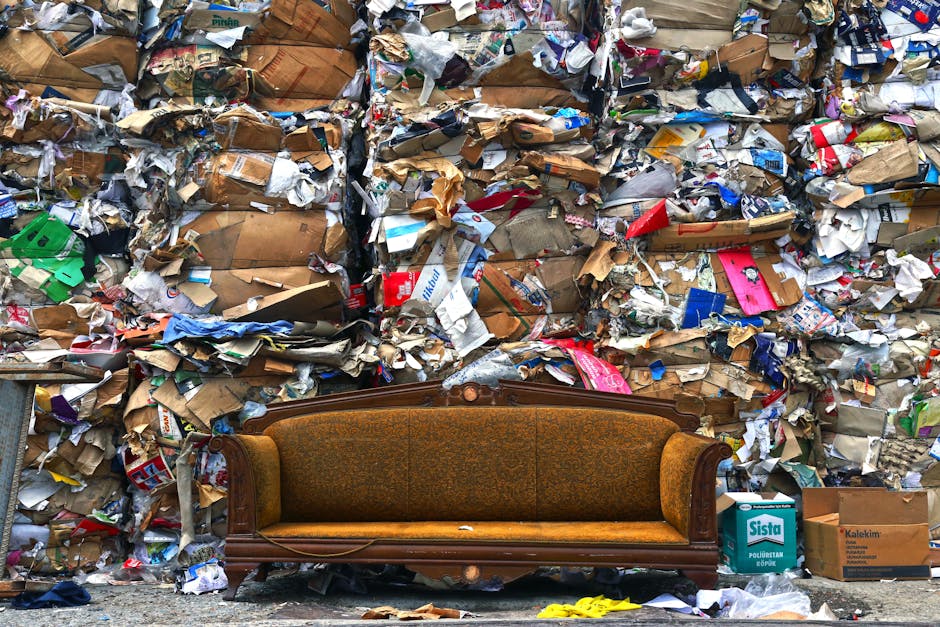
Bulky waste sounds straightforward until you actually have to move it. A dining table is not just a dining table when you're carrying it down a narrow staircase. An old mattress is not just "a bit of foam" when it has to fit in a car boot that is already too full. And a refrigerator? Well, that's a whole different level of awkward.
In Mortlake, as in the rest of London, getting rid of large household items is not something to leave to guesswork. If an item is left in the wrong place, put out unsafely, or handed to the wrong operator, the outcome can be a fine or a collection refusal. More commonly, it just becomes a headache. And nobody wants a bulky chair sitting outside for three days while neighbours start wondering whose it is.
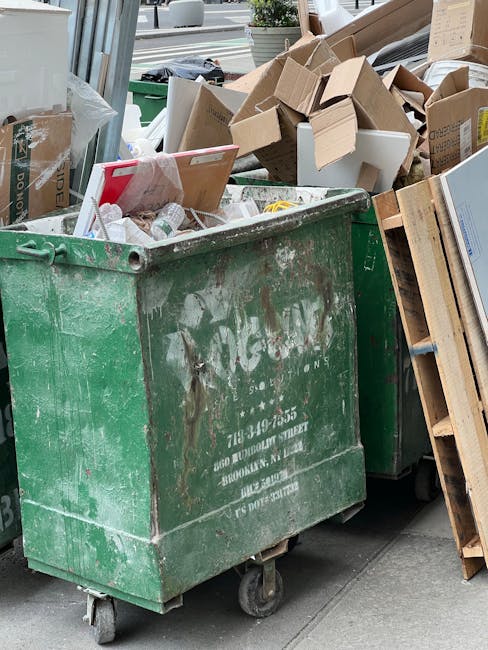
There is also a wider community issue. Fly-tipping and illegal dumping make local streets look neglected, block pavements, and create extra work for everyone else. The easiest way to avoid that mess is to choose a proper disposal route from the start. It keeps your home clear, protects you from avoidable penalties, and shows a bit of respect for the area. Simple, really.
If you are decluttering before a move, the timing matters even more. A pile of unwanted furniture can slow down packing, create trip hazards, and make a moving day feel ten times harder. That is why many people pair disposal planning with services like removals in Mortlake or a flexible man and van service when the items are too bulky for a standard car.
How bulky item disposal works in Mortlake
At a practical level, bulky disposal usually falls into one of four routes: council collection, recycling or reuse, private collection, or self-delivery to an approved facility. The right option depends on the item, its condition, how quickly you need it gone, and whether you can move it safely.
Here is the general logic:
- Still usable? Consider reuse, donation, or resale first.
- Broken but recyclable? Separate materials where possible.
- Heavy, fragile, or awkward? Use trained help or a collection service.
- Time-sensitive? A same-day or scheduled pickup may be the best fit.
Council rules vary by area and can change over time, so it is always sensible to check the current local process before putting anything out. But the broader principle is stable: items should be presented properly, at the right time, and through the correct channel. That means no dumping on the pavement, no assuming a neighbour's collection is your collection, and no leaving things outside "just for a minute". A minute can become a fine.
For larger home clearances, the task often links to moving and packing rather than disposal alone. If you are also trying to protect furniture or separate items for storage, the detailed advice in sofa care and handling and storage in Mortlake can help you decide what stays, what goes, and what gets moved elsewhere for now.
Key benefits and practical advantages
Doing bulky disposal properly is not just about avoiding trouble. It can make a whole household project much easier.
1. Less stress on the day
When the route is planned, you do not spend the morning arguing with a wardrobe hinge or improvising with a borrowed trolley. The job feels manageable.
2. Lower risk of damage
Dragging a bed base down stairs or scraping a sofa through a narrow doorway can damage walls, floors, and the item itself. A planned collection reduces the chances of those lovely little chips and dents that somehow always appear at the worst moment.
3. Better compliance
Using a proper disposal method helps reduce the risk of council fines or fly-tipping allegations. It also keeps shared spaces clear for neighbours and passers-by.
4. More room to work
Once bulky pieces are out, it is much easier to clean, pack, decorate, or stage a property for sale or handover. There is a noticeable difference between a room with an old armchair in it and a room that can breathe again.
5. A more sustainable outcome
Reusable furniture, metal components, and some electrical goods can sometimes be diverted away from disposal. That keeps useful materials in circulation longer, which is better than sending everything to waste by default.
Who this is for and when it makes sense
Bulky item disposal in Mortlake matters to more people than you might think. It is not just for people moving house, although they are often the ones who feel it most.
- Home movers clearing old furniture before a move.
- Renters needing to leave a flat clean and empty on a deadline.
- Landlords and letting agents dealing with abandoned or unwanted items after a tenancy.
- Students who need to clear desks, mattresses, chairs, or cheap shelving at the end of term. Our student removals in Mortlake page is especially useful in those rushed end-of-term moments.
- Families replacing worn-out furniture or appliances.
- Small offices discarding desks, chairs, storage units, or old equipment.
It also makes sense when the item is too awkward to lift safely, too large for a car, or too valuable to simply put in a skip and forget about. A piano, for example, is not a normal disposal job at all. It needs specialist planning, and our piano removals in Mortlake service exists for exactly that kind of heavy, delicate work.
Sometimes the best decision is not disposal at all but temporary relocation. If you are renovating, downsizing, or waiting for a new home, placing items in storage in Mortlake can buy you breathing space without rushing a bad decision.
Step-by-step guidance
Here is a practical way to handle bulky waste without turning it into a weekend-long ordeal.
- Identify what the item is made of. Wood, metal, upholstery, and electrical components may follow different routes. A sofa is not the same as a metal bed frame, and an old freezer needs extra care.
- Check if it can be reused. If the item is clean and functional, reuse is often the best first choice. A chair with one loose leg may still be repairable; a mattress with visible wear usually is not.
- Measure and assess access. Can it fit through the door? Down the stairs? Into a lift? If not, do not force it. That is how walls get scratched and backs get strained.
- Decide whether you need help. For heavy or awkward pieces, it is usually safer to use a man with a van in Mortlake or a dedicated removal team rather than trying to improvise.
- Book the right disposal or collection option. That could be a council-approved route, a private pickup, or a service that combines moving and removal.
- Prepare the item properly. Remove loose cushions, empty drawers, tape doors shut if needed, and disconnect appliances safely. If it is a freezer or fridge, follow proper preparation steps first; our idle freezer preservation guide is useful if the appliance is being stored, moved, or decommissioned carefully.
- Move it at the scheduled time. Keep pathways clear, protect floors if needed, and avoid leaving items outside longer than necessary.
- Get confirmation where possible. If you've paid for a collection or hired a service, keep your booking details and receipt. It makes follow-up much easier if questions arise.
That's the framework. Nothing flashy, but it works. And to be fair, simple systems are often the ones people actually stick to.
Expert tips for better results
Small decisions can make a big difference, especially when the item is heavy, valuable, or a bit of both.
Sort before you move. If you are clearing several items, separate them into keep, donate, recycle, and dispose piles. It avoids the classic mistake of carrying the same bookshelf around the house three times because nobody quite decided what it was doing there.
Protect doors, corners, and floors. Blankets, cardboard, and simple floor protection can save a lot of frustration. A scraped wall is never just "a tiny mark" once you've noticed it in daylight.
Think in terms of load type. Bulky items can be heavy, but they are also awkward. A mattress may be light but floppy. A piano may be stable but painfully dense. A chest of drawers can look manageable right up until you turn it sideways.
Use the right carrying method. Good lifting technique matters. If you are not confident, let trained people handle it. The practical advice in our heavy-lifting guide gives a sense of how technique and preparation change the job.
Don't leave collections to the last minute. Most avoidable problems happen on a Friday afternoon when the hallway is full and everyone is tired. If you can, schedule disposal a day or two earlier than you think you need. You will sleep better, honestly.
Use disposal as part of your moving plan. A clear-out before moving day is often more efficient than shifting unwanted items to the new property only to dispose of them later. If that sounds familiar, our stress-free house moving guide and move-out cleaning checklist can help keep the whole process neat.

Common mistakes to avoid
A lot of bulky waste trouble comes from a handful of repeat mistakes. The good news? They are all avoidable.
- Putting items out incorrectly. This is one of the fastest ways to create complaints or enforcement issues.
- Assuming every item can go with household rubbish. Large furniture, mattresses, and appliances usually need specific handling.
- Ignoring weight and access issues. If an item needs two people, it needs two people. If it needs more, don't be heroic.
- Mixing reusable and disposable items together. Once they're mixed, it becomes harder to salvage the good stuff.
- Forgetting about hazards. Old glass, sharp metal edges, mouldy upholstery, and electrical cords can all cause trouble.
- Using unverified collectors. If you hand waste to the wrong person, and it ends up dumped, the responsibility can come back to you. That is not a pleasant surprise.
Another common issue is rushing because a tenancy or move-out date is looming. When that happens, people reach for the nearest option rather than the safest one. If you are in that position, a same-day solution may be better than a risky DIY job. Our same-day removals in Mortlake page is relevant if time is tight and the items need moving quickly.
Tools, resources and recommendations
You do not need a van full of gear, but a few simple tools make bulky disposal much easier.
- Work gloves for grip and protection.
- Furniture blankets to reduce scratches and scuffs.
- Ratchet straps or strong tape to secure loose parts.
- Measuring tape for doors, stairwells, and lift openings.
- Furniture sliders or a sack truck for heavier items, where appropriate.
- Cardboard sheets or floor runners for protecting surfaces.
For larger clear-outs, the right support service can matter more than the tools. If you are removing sofas, cabinets, tables, or a mix of household pieces, take a look at furniture removals in Mortlake and the broader removal services in Mortlake page. These are useful when disposal needs to be tied into transport, lifting, or careful handling.
If your bulky item disposal is part of a wider move, packing supplies matter too. The packing and boxes in Mortlake page can help you organise smaller items properly so the large pieces are not just one more thing to think about.
Law, compliance, standards, or best practice
Let's keep this clear and practical. Bulky waste disposal in the UK is governed by general waste handling expectations, local authority rules, and wider legal duties around fly-tipping and responsible waste transfer. The exact council process can change, so the safest approach is always to follow the current local instructions for collection, presentation, and permitted items.
From a best-practice point of view, a few principles stand out:
- Use authorised channels. Only hand waste to a legitimate collector or use a permitted disposal route.
- Keep records. Retain booking confirmations, receipts, and any collection notes where relevant.
- Do not obstruct public areas. Pavements, shared entrances, and loading spaces are not places to "park" waste.
- Separate hazardous or specialist items. Appliances, electricals, and damaged furniture may need distinct handling.
- Be cautious with private clearance offers. If a price sounds too low and the collector cannot explain where the waste goes, that should raise eyebrows.
For companies and landlords, compliance matters even more because there is a duty of care around waste management and tenant handovers. A tidy, documented process is simply safer. If you are comparing providers, our insurance and safety and health and safety policy pages are useful trust markers.
Options, methods, or comparison table
There is no single "best" way to dispose of bulky items. The right route depends on the item, your timing, and your access. Here's a straightforward comparison.
| Option | Best for | Pros | Watch-outs |
|---|---|---|---|
| Council bulky collection | Standard household items | Convenient, familiar, often cost-effective | Availability may be limited; items must usually meet specific rules |
| Reuse, donation, resale | Usable furniture and appliances | Waste reduction, possible value recovery | Requires time, condition checks, and safe transport |
| Private removal service | Large, awkward, or urgent items | Flexible timing, lifting help, less stress | Costs can vary; choose a reputable provider |
| Self-delivery | People with access to transport and lifting support | Direct control over timing | Physical strain, vehicle limits, and disposal-site rules |
For many Mortlake households, a mixed approach works best. One sofa may be reused, the old bed frame can be collected, and the damaged side table can be recycled or removed with the rest. That mix-and-match plan often saves both time and hassle. Not glamorous, but effective.
Case study or real-world example
A fairly typical Mortlake scenario goes like this. A couple is moving out of a first-floor flat near a busy road. They have a sofa, a mattress, a broken chest of drawers, and an old freezer that has been sitting in the utility corner for months. The hallway is narrow, the lift is small, and move-out day is closing in.
Instead of trying to put everything out at once, they split the job into parts. The sofa is assessed first because it is still usable. They decide it could be moved for short-term storage rather than disposed of immediately. The mattress is no longer in good condition, so it is added to the disposal list. The chest of drawers is dismantled carefully. The freezer is unplugged and prepared properly before collection. The whole thing is booked with a service that can handle lifting and transport, so there is no risk of blocking the pavement or straining someone's back.
The useful lesson here is not that every item needs a separate plan. It is that the right plan saves work twice: once during removal, and again after the move when you are not dealing with leftovers. If you are facing the same sort of clear-out, this is exactly where a local removal team can help. Our house removals in Mortlake service and broader services overview can support larger household moves where bulky item disposal is only one part of the job.
Practical checklist
Use this checklist before you move or dispose of bulky items in Mortlake.
- Identify each bulky item and note its size, weight, and condition.
- Decide whether the item can be reused, donated, recycled, or needs disposal.
- Check access routes: doors, stairways, lifts, and outdoor pathways.
- Measure anything especially awkward before booking collection.
- Remove loose parts, shelves, cushions, and detachable pieces.
- Safely disconnect appliances and allow adequate preparation time.
- Choose a legal and suitable disposal route.
- Keep booking details or receipts for your records.
- Protect walls, floors, and common areas during removal.
- Do not leave items on the street unless you are following an approved collection process.
- Book help early if the item is heavy, fragile, or unusually shaped.
Expert summary: The safest way to avoid council fines is to treat bulky disposal like a small project, not an afterthought. Sort the item, choose the right route, prepare the access, and keep proof of what you arranged. That's the whole game, really.
Conclusion
If you have been wondering where to dispose bulky items in Mortlake without council fines, the answer is not one single place but the right process. Start by checking whether the item can be reused, then choose a lawful collection or disposal route that suits the size, weight, and urgency of the job. Keep clear records, avoid leaving waste in public spaces, and never guess when an item is awkward or potentially restricted.
For a lot of households, the smartest move is to combine disposal with moving support. That reduces lifting, shortens the job, and keeps the home in better shape. It also saves you from the sort of late-evening chaos where everyone is tired, the kettle is on, and there is still a sofa in the hallway. No thanks.
Get a free quote today and see how much you can save.
And if you take one thing away from this guide, let it be this: a calm, legal disposal plan is always easier than fixing a rushed one later. A bit of care now keeps the rest of the move lighter, cleaner, and far less stressful.